
Should You Book a Free Consultation with a Criminal Lawyer After an Impaired Driving Arrest?
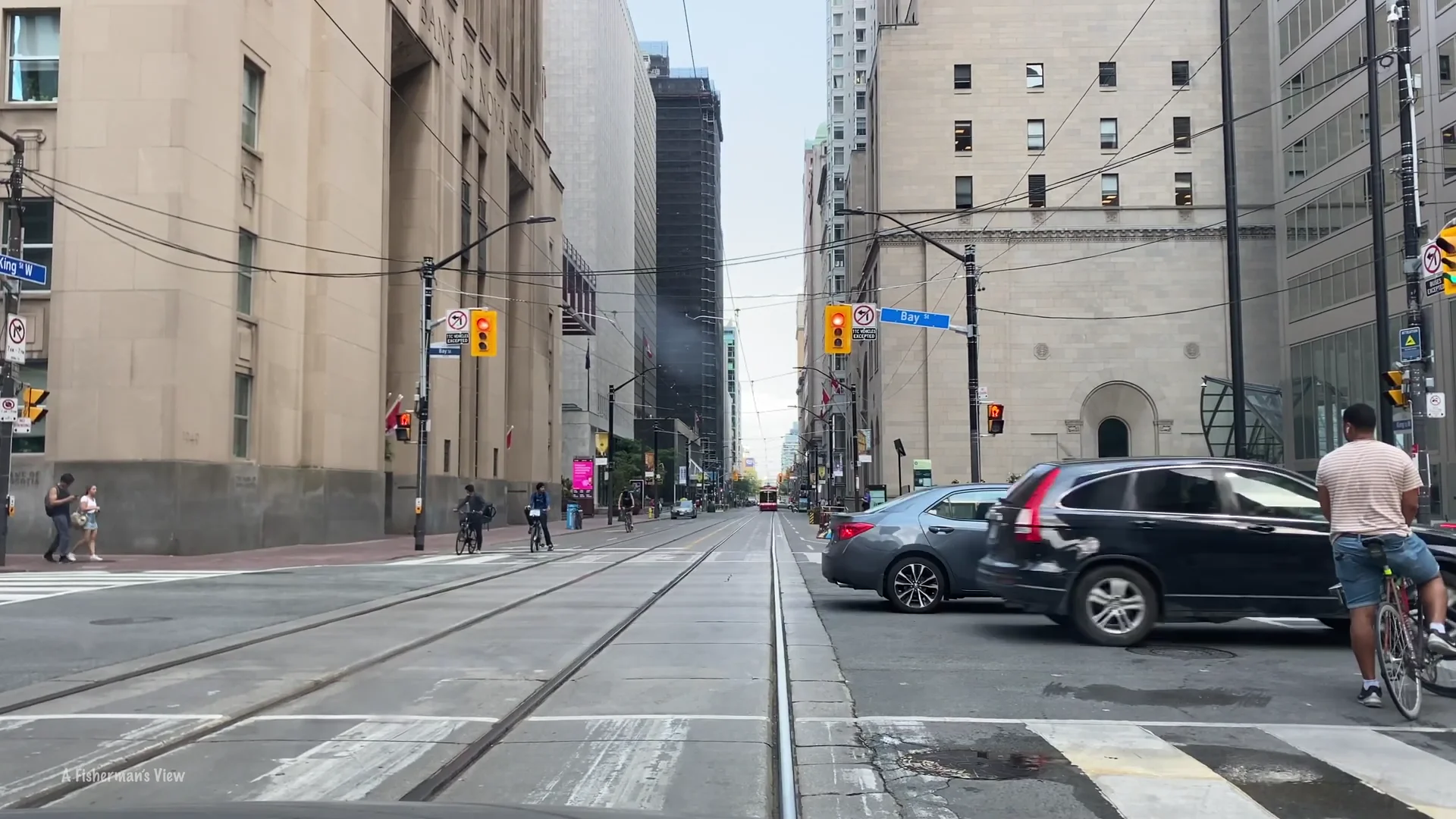
The call usually comes when everyone is tired, shaken, and trying to make sense of a bad night. A person has been stopped, arrested, and let go with papers that do not seem to match what they remember. There may be a licence suspension. There may be a court date in a downtown Toronto, Brampton, Newmarket, or Oshawa courthouse. There may be a breath test result, or a refusal allegation, or both. And almost always, there is one question hiding behind the rest: is it worth booking a free consultation with a criminal lawyer, or is this something that can wait?
In our experience, that question deserves a careful answer. A short conversation can tell you a lot. Not just about the charge, but about the arrest process Ontario police followed, the court path ahead, and whether a quick look at the file may help you avoid costly mistakes. The first hours and days after an impaired driving arrest are rarely the time to guess.
Why the first conversation matters more than people expect
An impaired driving arrest is not just one event. It triggers several tracks at once. There is the criminal case. There may be an immediate roadside or administrative licence problem. There may be a vehicle impound. There may be insurance and employment questions. And there is the personal side, which is often the hardest part. People are embarrassed, scared, and unsure who to tell.
A free consultation is useful because it helps separate those tracks. A lawyer can often tell, very early on, what the Crown will eventually need to prove, what paperwork should arrive, and what questions matter before any real defence decision is made. That does not mean every file is complex. Some are straightforward. Some are not. The problem is that laypeople usually cannot tell which kind they are dealing with.
That first conversation also helps identify timing. In an impaired matter, the criminal case timeline Ontario courts follow is rarely fast. The first court appearance Ontario defendants attend is often only the beginning of a process that can last months. Court dates in the GTA are commonly set far apart. By the time a person reaches the point where disclosure is complete and real discussions can happen, a great deal of time may have passed. Early advice helps people avoid sitting on their hands while deadlines, suspensions, and evidentiary issues move ahead.
What a free consultation can tell you in plain language
A proper consultation should leave you with a better map of the road ahead. It should not bury you in jargon. It should explain what charge or charges appear on the paperwork, what the Crown may rely on, and whether the case looks like a breath demand issue, a standard impaired allegation, a refusal case, or something with extra complications.
It should also cover where the matter is likely to be heard. Toronto, Brampton, Newmarket, and Oshawa do not all run the same way in practice, even though they all operate within the Ontario court system. Different courthouses can move at different speeds. Different local practices can affect how quickly disclosure is received, when first appearances are set, and how often matters are adjourned. A person who thinks the court date is “just a formality” may not realize that early adjournments are often part of the normal process, especially when disclosure has not yet been provided.
A good consultation should also flag whether there are immediate collateral issues. Was a licence suspended at the roadside or by statute? Was the vehicle towed? Has the employer already found out? Is there a professional licensing concern? Is insurance likely to be affected? These are not side issues. They are often the questions that keep people up at night.
Why timing matters after an arrest
The arrest itself can feel like the big event, but it is really the start of the file. The police have done their part. The Crown will later do theirs. The defence side does not get to see the whole picture at the scene. That is why timing matters.
In many impaired matters, important information arrives later through Crown disclosure. That may include notes, breath readings, video, or records that help show how the stop happened and how the tests were handled. Until that arrives, no lawyer can give a final opinion with confidence. But a consultation can still identify the likely next steps and tell you whether the case is the kind that can be assessed quickly or whether it needs more information.
From a practical point of view, early advice can also help prevent avoidable trouble. People sometimes call the police back to “explain” what happened. They sometimes talk about the matter with an employer before they understand the charge. They sometimes plead guilty at an early stage because they assume there is no room to look deeper. None of those choices are made out of bad faith. They are usually made because the person feels cornered.
A consultation does not solve everything. It does, however, reduce the odds that a stressful file gets worse because someone acted before getting advice.
What the lawyer is really looking for
A meaningful consultation is less about talking in circles and more about spotting issues that may matter later. In impaired driving cases, those issues can be narrow, but they can be important.
The lawyer will usually want to know how the stop began. Was there a traffic stop for a moving violation? Was there a collision? Was there a roadside investigation after a complaint? The answer can affect how the evidence is viewed. The lawyer will also want to know what happened at the roadside, what the police told you, whether there was a demand for a breath sample, and whether there was a delay between driving and testing. Small details can matter.
Another thing a lawyer will think about is whether the paperwork makes sense. Arrest documents are not always clean. Dates, times, names, and locations can be wrong. That does not mean a case disappears. It does mean there may be issues to explore. The same is true of the sequence of events. If the arrest process Ontario police followed does not line up with the notes, the defence may have something to investigate.
This is also where a former prosecutor’s perspective can help. Having worked on the Crown side, we tend to look at the file the way the prosecution eventually will. What can they prove easily? Where are the gaps? What documents will they rely on first? That lens is useful early, because it helps a person understand whether they are dealing with a simple file or one that needs close review.
At this stage, a free consultation through is usually the fastest way to find out which of these applies to your situation, especially before deadlines and disclosure requests begin to shape the case.
When duty counsel is enough, and when it is not
People often ask whether they can simply rely on duty counsel at court. That is a fair question. Duty counsel vs criminal lawyer is not an academic debate. It is a practical one.
Duty counsel can be very helpful for immediate court assistance, especially at the first court appearance or when a person needs basic guidance on adjournments and short-term procedural steps. They are an important part of the system. But they do not usually have the time to review a file in depth, chase disclosure, map out the likely trial issues, or spend a long time talking through the personal consequences of the charge.
A private criminal lawyer can do that. That does not mean every person needs to hire counsel right away, or that duty counsel cannot help at all. It means the services are different. If the question is simply what happens in the courtroom today, duty counsel may be enough. If the question is whether the case has issues worth digging into, how to deal with a licence problem, or whether a plea resolution Ontario courts might eventually accept makes sense, then a longer consult is usually far more useful.
This distinction matters because the early stages of the case can look deceptively simple. Some people think that once the first appearance is over, the rest will be obvious. It often is not. The harder questions usually appear after disclosure, after the bail and release conditions are sorted, and after the person has had time to see the real impact on work, family, and insurance.
What happens at the first court date
The first court appearance Ontario defendants attend in these cases is often administrative rather than decisive. In many courthouses, especially in the GTA, the first date is used to confirm the charge, note whether disclosure has been provided, and set the next appearance. If the accused is not there with counsel, the matter may be adjourned again. That is common.
This is one of the biggest reasons a consultation is worthwhile before that date, or soon after it. If you know what the first appearance is for, you are less likely to panic when little seems to happen. You are also less likely to miss the chance to ask the right questions. For example, whether the Crown has already sent disclosure, whether the court file is complete, whether any immediate licence condition affects your ability to drive to work, and whether the matter will move in provincial court or another forum depending on the charge.
Many people are surprised by how slow the process is. Court delays GTA residents face can mean long gaps between appearances. That delay can be frustrating, but it also means there is time to do the work properly. A consultation helps you use that time well.
What a consultation cannot do yet
It is just as important to be honest about the limits. A consultation is not the same as a finished defence. No one can responsibly promise an outcome after hearing one side of the story, especially before full disclosure arrives. There may be facts the person forgot. There may be notes or videos that change the picture. There may be Charter issues, which are constitutional arguments about police conduct, that only become clear after review.
A consultation also cannot erase the immediate practical effects of the arrest. If there is a licence suspension, that suspension still needs to be dealt with. If an employer already knows, that conversation may still have to happen. If insurance consequences are involved, those issues can develop regardless of what happens in court.
What the consultation can do is help you avoid false certainty. That alone is valuable. The person who knows exactly how much is still unknown tends to make better decisions than the person who is guessing.
How the consultation helps with the rest of the timeline
An impaired file usually moves through stages. There is the arrest and release. Then the first court date. Then disclosure. Then review of the evidence. Then discussions with the Crown. Then, sometimes, a plea resolution Ontario process, or a trial path, or a withdrawal if the evidence does not hold. Each stage depends on the one before it.
A consultation can help you understand where your file sits inside that timeline. If disclosure has not come in, the focus may be on getting it and preserving issues. If the file is more advanced, the discussion may turn to risks, weaknesses, and realistic options. If the person has work-related driving needs, the focus may include timing and whether any suspension can be managed while the case proceeds. If the person is already past the first appearance and wondering why nothing seems to be happening, the consultation can explain that the pace is often driven by court scheduling and Crown review, not by the defence sitting idle.
This is also where a clear eye on the criminal case timeline Ontario courts actually follow can save a lot of stress. People often expect immediate answers. The system rarely works that way. It moves in stages, and each stage has its own purpose.
What to bring, and what to expect from a good meeting
A strong consultation is usually better when the facts are organized, but perfection is not required. Bring the paperwork you have. That may include the release papers, the appearance notice, the officer’s documents, and anything about a licence suspension or vehicle impound. If you have received email or mail from the court or the Crown, that helps too.
The conversation should be candid and practical. The lawyer should ask direct questions and explain why they matter. You should leave with a sense of what happens next, what is still unknown, and what documents or dates need to be tracked. If the lawyer cannot yet answer the final question, that is normal. A good lawyer will say so plainly.
You should also expect some talk about the human side. Does the case affect employment? Is there a child care issue? Is the person a newcomer, a student, or someone with a commercial driving need? These facts do not make the legal issue disappear, but they do shape strategy. Courts are not blind to real-world consequences, and neither is a defence lawyer.
Choosing criminal lawyer Toronto after an arrest
There is no perfect formula for choosing criminal lawyer Toronto residents will be comfortable with, but there are a few practical signs of a careful fit. You want someone who listens before talking, who explains the next step in plain English, and who does not pretend to know the end of the story before seeing the file. You also want someone who understands the local court culture, because the way matters move in Toronto is not identical to the way they move elsewhere in Ontario.
For many people, the real value of the consultation is not the hard sell. It is the calm that comes from a grounded explanation. You learn whether the case appears routine, whether there is a disclosure issue, whether the first court appearance is mainly procedural, and whether there is enough there to merit a deeper review. That can make the difference between a sleepless week and a plan.
And sometimes, the right answer is that the file needs to sit until the Crown disclosure arrives. That is still an answer. It is better than wandering.
When the consultation is most useful
There are moments when a consultation tends to be especially helpful. The night of the arrest, when the person cannot make sense of the paperwork. The day before the first court appearance, when the court date is looming. The week after disclosure arrives, when the person wants to know whether the case is stronger or weaker than expected. Or the moment when work, family, and driving issues suddenly become real.

In those moments, a short meeting can clarify whether the problem is urgent, whether it is mainly procedural, or whether it needs a fuller defence plan. It can also tell you what not to worry about yet. That is often just as valuable as the legal analysis itself.
A proper consultation does not need to be dramatic to be useful. It needs to be accurate, patient, and grounded in the way Ontario criminal files actually move.
A short, careful meeting now can save you from making assumptions later, and that is often the real benefit of speaking with counsel early. This article is general information only, and it is not legal advice for your situation.
Jeffrey Reisman Law
220 Duncan Mill Rd #419, North York, ON M3B 2V1
Phone: 647-372-5039
Email: jeffreyireisman@gmail.com
Website: jeffreismanlaw.ca